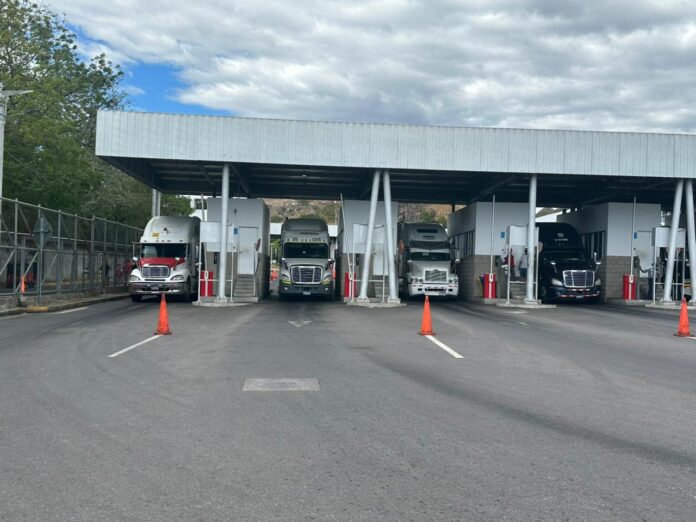
The modernization and facilitation of trade in Central America has been consolidated through the Central American Digital Trade Platform (PDCC), a regional tool that allows the electronic exchange of information between customs administrations and institutions linked to foreign trade in Guatemala, El Salvador, Honduras, Nicaragua, Costa Rica and Panama.
In this context, the Secretariat for Central American Economic Integration (SIECA) reported today (May 15, 2026) that it carried out the “Regional Workshop for the Evaluation of the Status of the Functionalities of the Central American Digital Trade Platform (PDCC) and Validation of the Technical Guide for the Implementation of the Harmonized Model of the Mandatory Use of the Advance Declaration (DAO)”, aimed at evaluating progress, validating technical tools and strengthening the regional implementation of both instruments.
The meeting featured the support from the European Union and the Inter-American Development Bank whose technical and financial support has been key to promoting such regional trade modernization initiatives. Participants included the newly appointed Secretary General of SIECA, Alden Rivera Montes; the IDB's Head of Trade and Investment Operations in Central America, Erick Méndez; the Regional Cooperation Officer of the European Union Delegation, Kathrin Renner; and the Executive Director of the Honduran Customs Administration, Marco Tulio Abadie.
During his speech, the Secretary General of SIECA, Alden Rivera MontesHe highlighted the importance of evaluating progress in digital transformation and facilitating regional trade. “The Central American Digital Trade Platform (PDCC) has established itself as a strategic tool to advance towards a more modern, technologically advanced and efficient trade, allowing for the evaluation of progress, the identification of gaps and the strengthening of capacities to maximize trade in the region"He said.
Throughout the working sessions, delegations from countries in the region presented progress in the implementation of the PDCC, exchanged best practices and analyzed actions aimed at strengthening interoperability, traceability and facilitation of regional trade.
In addition, technical presentations were developed on the Regional Integrated Risk Management System (SGIRR) and new functionalities of the platform, as well as progress in the review and validation of the Technical Guide for the implementation of the regional model of Mandatory Advance Declaration (DAO) and the update of its roadmap.
To do this, the Executive Director of the Customs Administration of Honduras, Marco Tulio AbadieHe emphasized the positive impact of these instruments on Central American trade.These regional instruments help strengthen trade at the regional level, make us more competitive and agile, and give us the possibility of interconnecting our computer systems, which are the backbone of customs and trade systems in the region."I affirm.
For its part, the Jady Valladares, Director of Trade Facilitation at SIECAHe highlighted the need to continue strengthening coordinated regional mechanisms that promote interoperability, streamline customs processes, and consolidate a trade facilitation agenda based on digital transformation and Central American economic integration.

Aduana News foi o primeiro jornal aduaneiro da Argentina a lançar sua versão digital. Com mais de 20 anos de trajetória, suas publicações e iniciativas têm como objetivo oferecer o conhecimento mais relevante sobre temas aduaneiros, contribuindo para a promoção do comércio seguro e da facilitação do comércio na região.