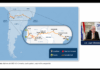
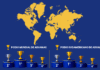
The United Nations Conference on Trade and Development (UNCTAD), which is part of the UN, launched a tool on Friday (23.09.2022) to track imports and exports of biodiversity-based products.
The tool, available on the site UNCTAD, includes natural foods, cosmetics, handicrafts, natural medicines and ecotourism. It also provides comprehensive, harmonized, comparable data and related indicators on 1.814 products from 185 countries, available from 2010 to the most recent year for which data are available.
The tool provides access to statistical information on trade and biodiversity and other relevant indicators, including interactive maps and graphs.
"The availability of these data is of utmost importance to achieve global biodiversity goals and targets.“said Teresa Moreira, officer in charge of UNCTAD’s international trade division.
To this end, the database shows the scale of trade in biologically derived goods and its impact. For example, at the height of the pandemic, trade in medicinal plants increased by almost 8%, from USD3300 billion in 2019 to USD3600 billion in 2020.
It also identifies a steady rise in trade in products that contribute to deforestation worldwide. According to UNCTAD, between 2010 and 2020, there were increases in trade in meat (42%), dairy products (29%), oil crops such as soybeans and palm oil (36%) and timber (23%). Their trade value reached more than USD 775 billion in 2020.
The UN noted that global efforts to address biodiversity loss are guided by internationally agreed goals, including the Sustainable Development Goals, the Aichi and post-Aichi targets.
UNCTAD's new tool was developed with the support of the Swiss State Secretariat for Economic Affairs (SECO).

Aduana News foi o primeiro jornal aduaneiro da Argentina a lançar sua versão digital. Com mais de 20 anos de trajetória, suas publicações e iniciativas têm como objetivo oferecer o conhecimento mais relevante sobre temas aduaneiros, contribuindo para a promoção do comércio seguro e da facilitação do comércio na região.