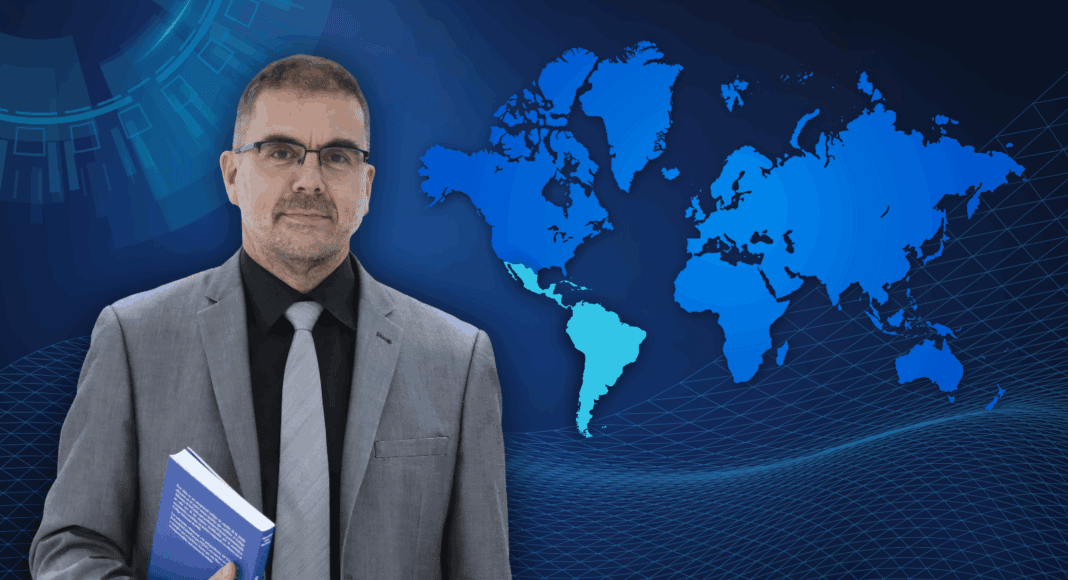

In an increasingly dynamic, digitalized, and demanding international trade environment, the professionalization of customs has become a strategic priority for improving economic and social development both in Latin America and the rest of the world. Customs not only regulate and control the flow of goods, but also guarantee the security, legality, and competitiveness of trade.
With that objective, the following is presented: International Master's Degree in Customs LawDesigned specifically for professionals from Latin America, the program, promoted by the Customs Foundation (Spain) and the SKR School of Government and Public Transformation, combines academic excellence, an international perspective, and practical application.
To that end, the teaching staff is made up of world-renowned experts from Europe and Latin America —specifically from Argentina, Brazil, Chile, Mexico and El Salvador—, who contribute practical experience and in-depth knowledge of regional challenges, contributing to the initiative in the face of the challenges of customs management at a global level.
Conversation with Fernando Salazar, director of the Customs Academy since 2024
Question: What needs of the Latin American customs context does the International Master's Degree in Customs Law seek to address?
Fernando Salazar: Latin America faces specific challenges in foreign trade, with still-high average tariffs and a growing need to modernize customs processes through digitalization and technological innovation. For example, while the average tariff in the region approaches 15%, in the European Union it hovers around 3,3%, highlighting the importance of tariff policy and customs management for driving economic development. This master's program aims to train professionals capable of integrating international regulations, public administration, and business practice, strengthening efficiency and facilitating trade integration.
The program offers a flexible study model through Blended Learning: asynchronous online classes allow you to organize your personal pace, while weekly live sessions delve deeper into the content with practical cases, applied debates and analysis.
Fernando explains that the master's program is structured in three mandatory blocks: Customs Law in the Context of International Trade, Customs Procedural Law y International Trade and BusinessEach block includes four monthly modules, with seven topics each, coordinated by specialists from the World Customs Organization (WCO), the Spanish Tax Agency and the AROLA Group.
It also highlights that the program integrates Latin American and European teachers, guaranteeing a global perspective adapted to the region in the face of a reality of increasingly dynamic, even exponential, changes.
Additionally, Fernando points out that participants receive support throughout the program. Among the coordinators The three blocks include:
- Eva Pedruelo – Deputy Director of the Customs Department at the Spanish Tax Agency.
- Mercedes Cano – Customs Inspector in Spain, currently at the World Customs Organization.
- Ramon Aparicio – Logistics Manager of the AROLA Customs and Logistics Group.
The faculty It is composed of the following recognized experts who will teach the classes:
- Erika Medina (Brazil)
- Sergio Sánchez Orduna (Spain)
- Wagner Castro (Brazil)
- Hector Landeros (Mexico)
- Karolyn Salcedo (Spain)
- Yara Novis (Brazil)
- Marcelo Abaca (Argentina)
- Balam Lamoglia Riquelme (Mexico)
- Randy Cáceres (El Salvador)
- Rosaldo Trevisan (Brazil)
- Hector Juarez (Argentina)
- Fabián Villarroel (Chile)
The director of the Customs Academy adds that the program offers “Double degree: an official university degree from the Latin American University of Mexico and a professional certificate from the Customs Foundation-SKR (Spain) that supports academic and practical training.”
The learning experience offers: Online classes, allowing you to study at your own pace. Live sessions where you work on real-world cases and interact directly with instructors. And in-person experience in Spain, specifically in Barcelona, with visits to institutions and companies in the logistics sector.

Fernando clarifies that the start of classes is planned for May 1th in the block of International Trade and Operations and the September 1 in that of Customs lawThe master's degree has a duration of 12 months, with the flexibility to join later blocks and adapt the training to the pace of each participant.
Furthermore, the director explains that the base price the master's degree is from 4.000 euros. However, they are offered discounts of between 5% and 15% through institutional partners —such as Aduana News for those who mention this means when contacting the Customs Foundation, as well as through promo codes (MDA-KS26-W9BR). He adds that “bank financing options are being developed” to facilitate professionals' access to the program and allow each participant to tailor their training to their circumstances.
Conclusion
In summary, the master's program offers flexible, accessible, and high-quality training with official recognition, aimed at preparing Latin American professionals to face the changes already emerging in global customs management, in line with international trade facilitation and security standards.
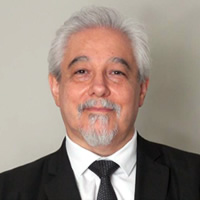
In this sense, the teachers who are also columnists for Aduana News They highlight the positive impact of the program. From my experience in teaching and research, I believe that the professionalization of our customs services is an essential driver of regional development. This master's program offers an excellent academic environment where we share best practices and international trends, training experts capable of linking theory with practice and designing innovative solutions to the challenges of cross-border trade. points the Dr. Hector Juarez Allende.

Along the same lines, andDr. Fabián Villarroel It emphasizes that the program arises in a particularly challenging context for international trade. “This master’s program comes at a crucial time, marked by the resurgence of protectionism, the emergence of new tariff and non-tariff barriers, and a climate of increasing legal and economic uncertainty. In this new environment, it is essential to update knowledge and understand both the traditional rules of international trade and the new trends that are redefining its operation.”"He says.
It also highlights that the academic proposal provides a truly global vision:Participants will gain access to the expertise of specialists from various countries and gain a comprehensive understanding of international trade, recognizing that every transaction simultaneously involves both importing and exporting. Today, more than ever, it is essential to know more and be better prepared to navigate an increasingly complex international landscape.".
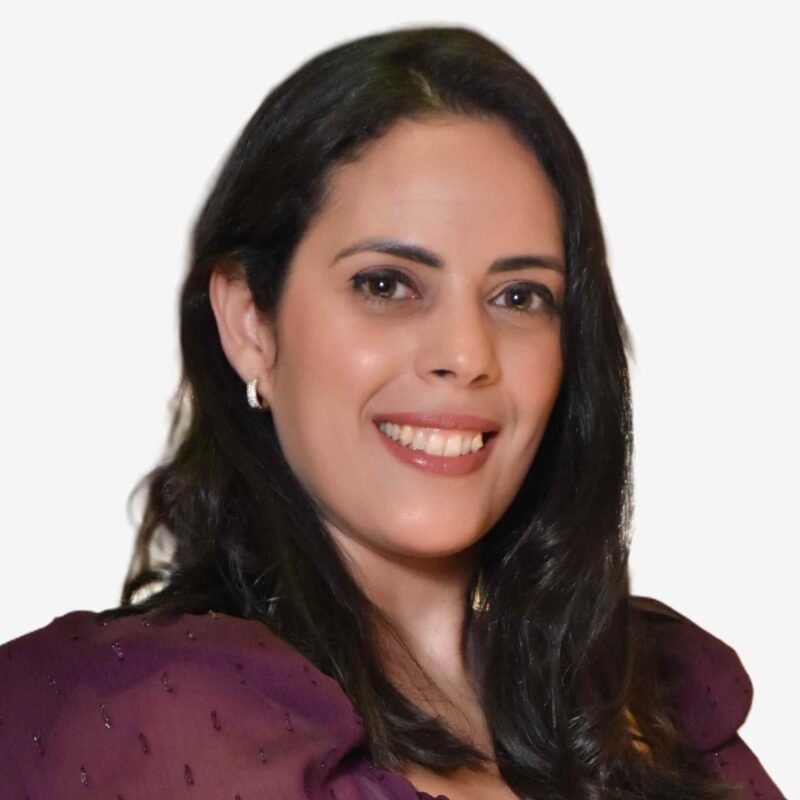
For its part, the Dr. Karolyn Salcedo It focuses on the collaborative dimension of the program and the strategic role of customs today «In an increasingly interconnected global environment, customs and the private sector share the responsibility of building safer, more efficient, and more transparent supply chains. Academic initiatives such as this master's program create a forum for professionals from diverse fields—public administration, business, academia, and consulting—to reflect on the challenges of international trade and strengthen collaborative leadership capable of driving innovative solutions for the region.", he concludes.
For more information about the program and its professional development opportunities, we invite interested parties to consult the official website of the master's program or contact the academic office directly.. https://www.masterlatam.org/
Thus, we close this edition by inviting you to read, share and join this initiative, which promotes knowledge and contributes to the strengthening of our institutions and customs management in the region..

Conversation conducted by María Elsa Coronel for Aduana News.

Aduana News foi o primeiro jornal aduaneiro da Argentina a lançar sua versão digital. Com mais de 20 anos de trajetória, suas publicações e iniciativas têm como objetivo oferecer o conhecimento mais relevante sobre temas aduaneiros, contribuindo para a promoção do comércio seguro e da facilitação do comércio na região.