The case of the Triple Frontier, between Argentina, Brazil, and Paraguay, exposes the complexities of organized crime in South America, where smuggling, money laundering, drug trafficking, and corruption converge. Faced with these challenges, effective international cooperation is an indispensable tool for stopping criminal networks that operate without borders.
🟦Regional platform
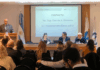
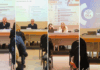
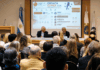
With that objective, Buenos Aires will host the 1th High-Level Meeting of the Triangles Strategy – Southern Triangle on July 2 and XNUMX., a regional platform that seeks to strengthen coordination between states to address the illicit economies affecting the region.
Convened by the Ministry of National Security, Department against Transnational Organized Crime (DDOT) of the OAS and the organization Strategos BIPThe event will bring together authorities from more than ten South American countries and other regions, including representatives from customs, prosecutors' offices, security forces, and financial intelligence.
During the meeting, the Organization of American States (OAS) will reaffirm its commitment to the fight against transnational organized crime, a phenomenon fueled by regulatory gaps, institutional weakness, and fragmented state efforts.
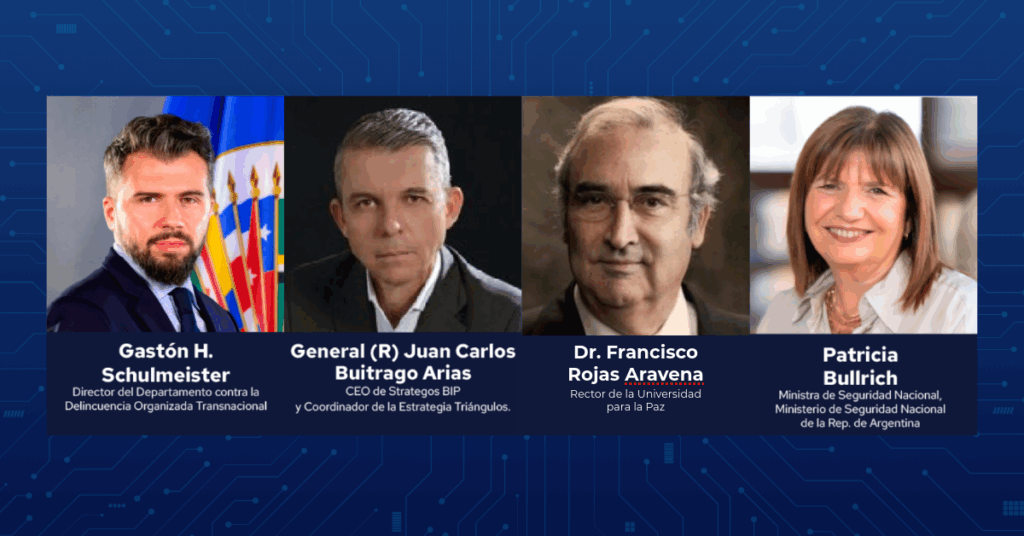
""Organized crime is no longer an isolated security problem. It's a complex network, with economic and logistical capacity, that thrives on our vulnerabilities. Its actions build an illicit economy that competes with the formal economy and erodes institutional legitimacy." warned Gastón Schulmeister, Director of the OAS DDOT.
Mr. Schulmeister also emphasized the urgency of combating criminal finances by promoting the strengthening of Financial Intelligence Units, non-conviction-based confiscation, and cooperation to track assets hidden in opaque jurisdictions.
🟦Strategic approach
La Triangles Strategy, conceived in 2022 as the COEPA Alliance, was promoted by the Colombian General (R) Juan Carlos Buitrago, current CEO of Strategos BIP and coordinator of the initiative. His approach proposes an unprecedented coordination between the public and private sectors, academia, and multilateral organizations to strategically, operationally, and regulatoryly address the criminal organizations that particularly affect South America.
«We seek to integrate efforts with a strategic, investigative, and operational approach to prevent and dismantle transnational criminal structures that thrive on smuggling, counterfeiting, and other crimes. Interagency, public-private, and international collaboration must become increasingly effective.", said Buitrago
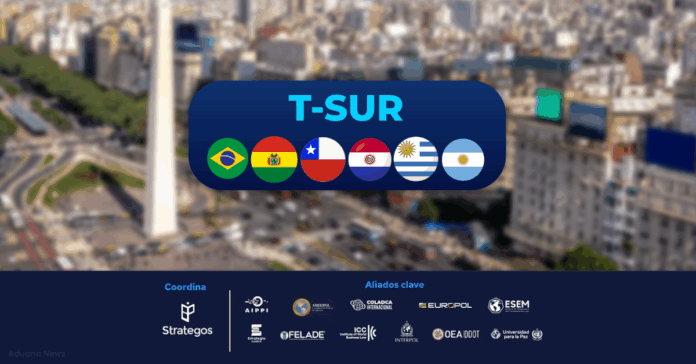
To this end, the V High Level Meeting of the Southern Triangle will feature the participation of delegations from Argentina, Bolivia, Brazil, Chile, Colombia, United States, Japan, Panama, Paraguay, Peru and Uruguay, and will include thematic panels on illegal trade, money laundering, corruption, international cooperation, and the emblematic case of the Triple Border.
🟦South American cooperation
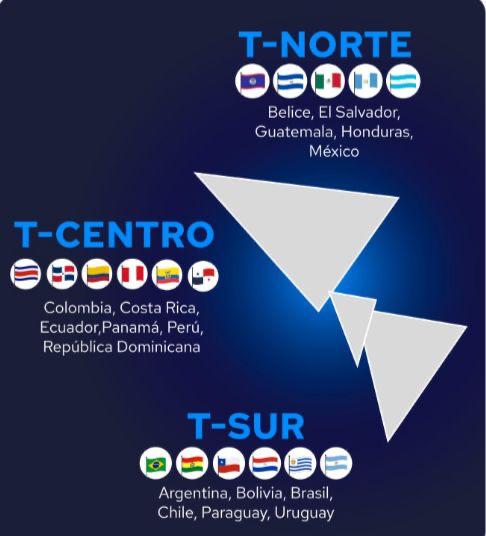
This initiative from Buenos Aires, framed in the Southern Triangle, thus adding to the strategies already underway in the Northern Triangle —made up of Mexico, Belize, Guatemala, Honduras and El Salvador— and the Central Triangle (formerly COEPA), made up of Colombia, Ecuador, Panama, Peru, Costa Rica and the Dominican Republic.
Together, these three regional platforms—T-North, T-Central, and T-South—seek to reduce the incidence and negative effects of illegal trade in Latin America and the Caribbean by strengthening international cooperation, collaborative work, and generating collective intelligence in the fight against transnational organized crime.

Aduana News foi o primeiro jornal aduaneiro da Argentina a lançar sua versão digital. Com mais de 20 anos de trajetória, suas publicações e iniciativas têm como objetivo oferecer o conhecimento mais relevante sobre temas aduaneiros, contribuindo para a promoção do comércio seguro e da facilitação do comércio na região.