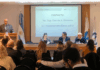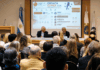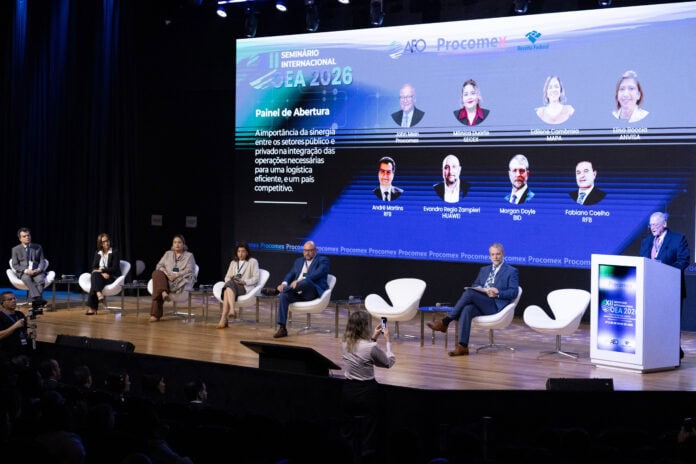
On Wednesday, May 27, 2026, the XII OAS International Seminar began in São Paulo, Brazil, one of the main regional meetings dedicated to trade facilitation, customs modernization and international logistics.
The new edition of the two-day event is being held at the World Trade Center São Paulo, a leading business complex in Latin America located on Avenida das Nações Unidas. The setting reinforces the corporate and international profile of the initiative.
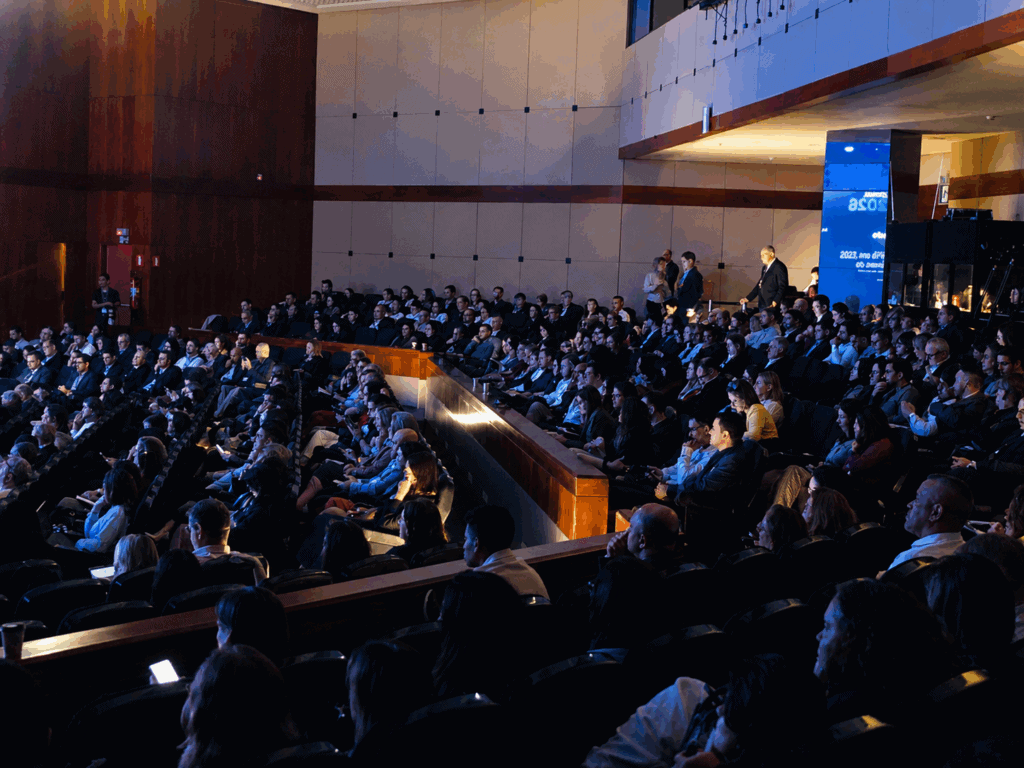
Organized by the PROCOMEX Institute together with the Brazilian Federal Revenue Service (RFB), the seminar once again brings together nearly 500 participants from various countries, including government officials, representatives from the private sector, business associations, and multilateral organizations. Under the theme “Connections for secure, efficient and compliant international logistics”The 2026 edition focuses on public-private cooperation, systems interoperability, coordinated border management and strengthening the Authorized Economic Operator (AEO) program.
The opening day began at 9 a.m. with the opening panel, following the performance of the Brazilian national anthem.
In this context, PROCOMEX Executive Coordinator John Mein stated that the border control system is undergoing a structural transformation. “We are in a society where border control is becoming a control of value chains.”
Along those lines, he maintained that the country is transitioning “from individual efforts to partnerships between government agencies, between countries, and also between the public and private sectors.” In that regard, he emphasized that coordinated border management is central to advancing efficiency, security, trade facilitation, and international logistics.
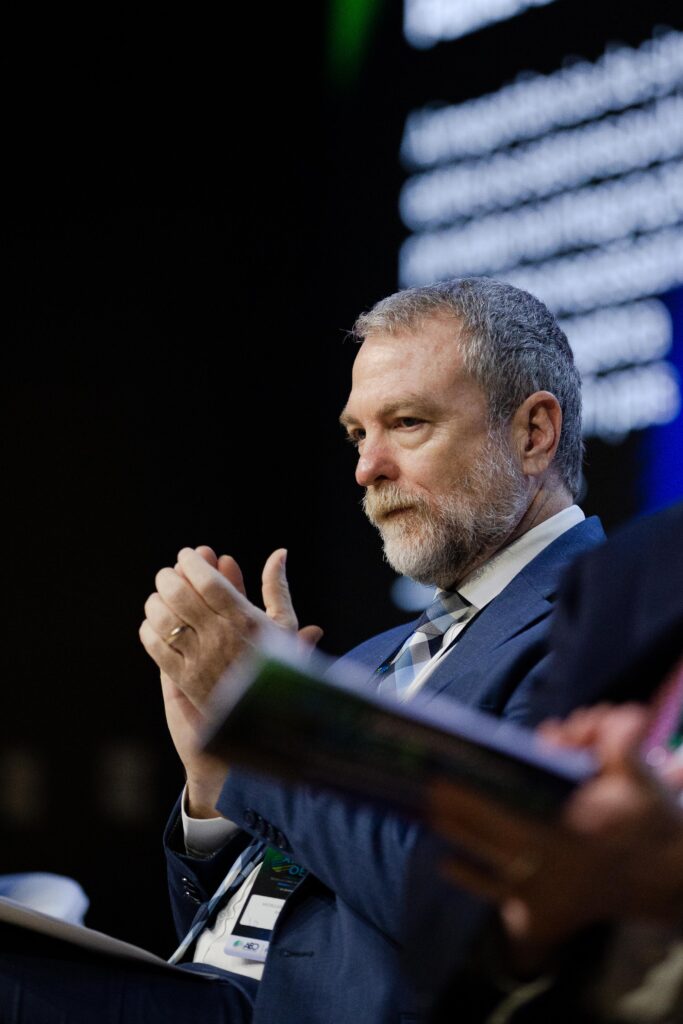
From that point on, from the Inter-American Development Bank (IDB), Morgan Doyle He highlighted the progress of the regional agenda for modernizing foreign trade. “A more modern and competitive foreign trade is a key objective right now,” he stated, referring to the working group meeting held on May 25 and 26—prior to the event—with countries of the Southern Cone (Argentina, Brazil, Paraguay, Uruguay, and Chile) to promote coordinated border management. He also indicated that the results of this process will translate into concrete projects planned for March 2027, aimed at improving border services in the region. Doyle also warned about the regional logistics gap, noting that costs can represent up to 35% of gross domestic product, compared to 8% in developed countries.
For its part, Fabiano Coelho, Undersecretary of Customs Administration of the Brazilian Federal Revenue Service He referred to the measures implemented in 2025 to improve foreign trade and the strengthening of the Brazilian AEO program in 2026. In that regard, he highlighted the promotion of State policies that integrate the public and private sectors, and stressed the importance of balancing efficiency and control in a context of increasing logistical complexity.
In this context, from a general perspective, it should be noted that customs is the main instance of control over the movement of goods at national borders.
From Secretary of Foreign Trade (SECEX), Mônica Duarte He emphasized the need to promote compliance as a central element of the trade facilitation agenda. He noted that the Receita Federal's Authorized Economic Operator (AEO) program is a key tool for expanding institutional integration and advancing a cultural transformation in control processes.
Along the same lines of interventions, from the Ministry of Agriculture and Livestock (MAPA), Edilene Cambraia He emphasized the role of border health controls as the first line of defense against pests and diseases, underscoring their importance for protecting Brazil's production system. He also highlighted the country's strategic importance as an agricultural exporting powerhouse and the need to maintain strict enforcement standards.
The deputy superintendent of the Federal Revenue in São Paulo, André Luiz Gonçalves Martins, He emphasized the strategic nature of the seminar and the evolution towards interconnected systems. "Today we no longer talk about isolated systems, but about platforms that need to communicate with each other."
In this context, coordinated border management was presented as an approach that involves the articulated participation of public bodies from different areas, with the aim of achieving common goals and offering a cohesive governmental response to the challenges of border control.
From there, the opening panel moved on to the need to also integrate the private sector into this expanded cooperation framework, in line with modernization and trade facilitation processes. PROCOMEX Senior Consultant, César García, He introduced this focus when referring to security, compliance, technology and cooperative work, paving the way for the participation of the private sector.
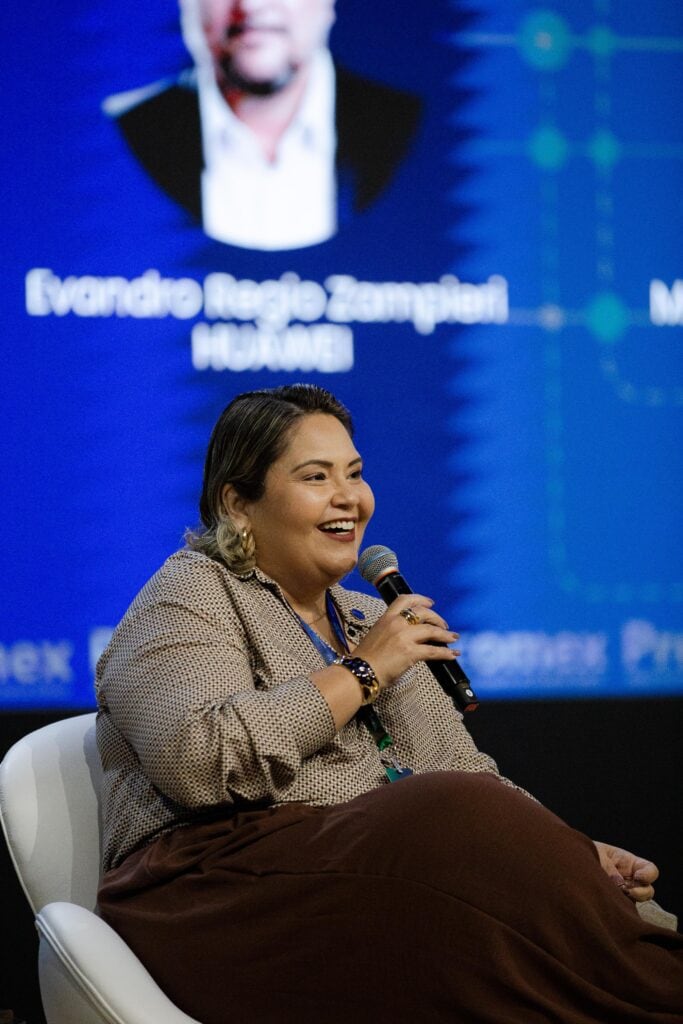
Thus, Evandro Zampieri, Senior Director of Public Affairs and Business Environment at Huawei Brazil, He thanked them for the invitation and highlighted the company's history in the country and its contribution to technological development. He emphasized the advancement of technologies such as 5G, cloud computing, and artificial intelligence, in a context where connectivity and systems integration are playing a central role in the transformation of international trade.
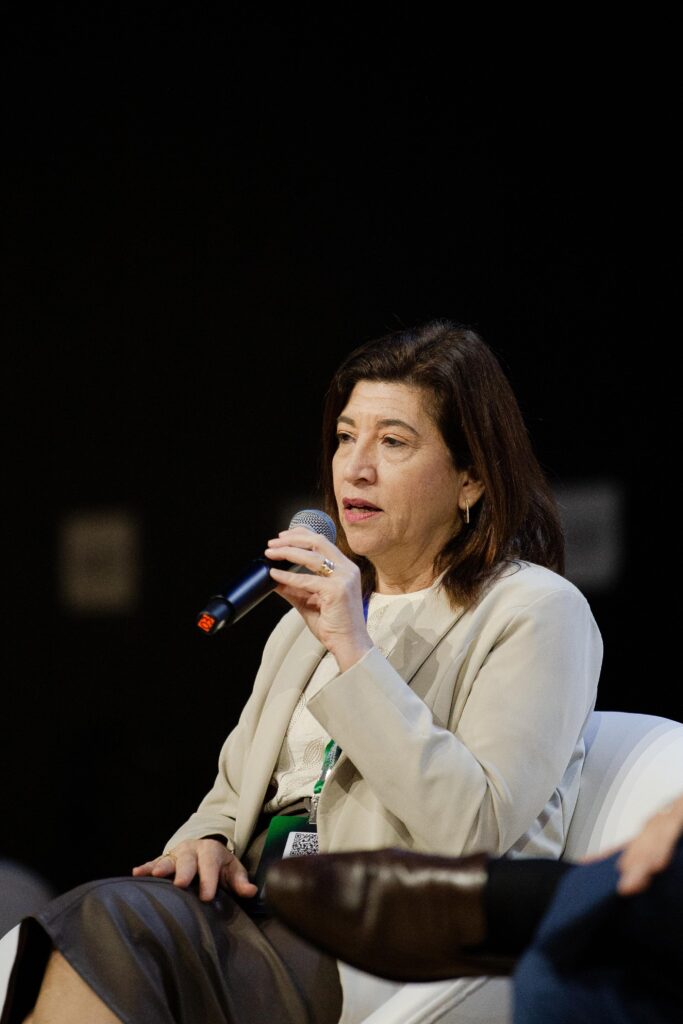
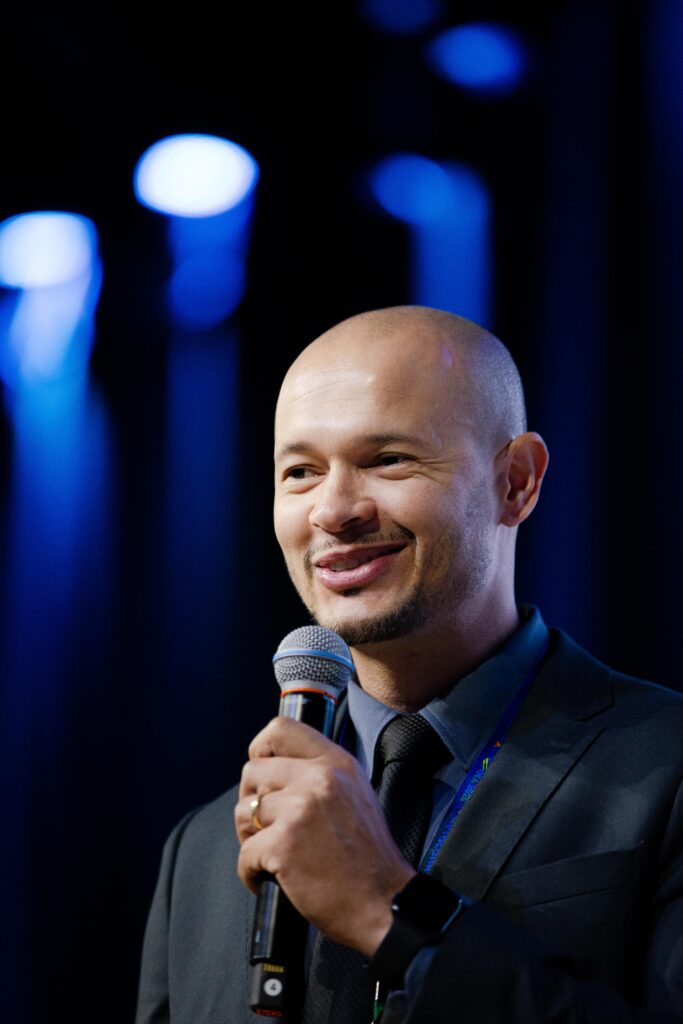
After the opening panel concluded, several conferences took place, including one by Fabiano Coelho, which focused on the evolution of the Authorized Economic Operator (AEO) program in Brazil.
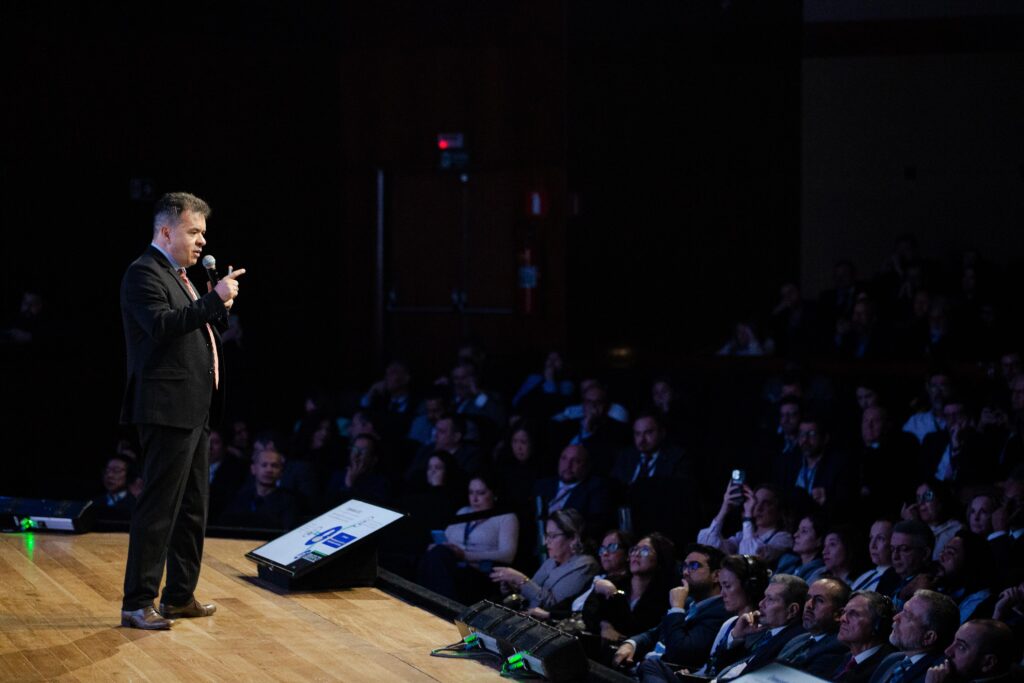
OAS in Brazil: towards an integrated compliance ecosystem
Fabiano Coelho pointed out that the Brazilian OAS program is a compliance scheme that is about to turn 12 years old, with opportunities for improvement and continuous evolution.
In that regard, he highlighted the incorporation of new tools and the strengthening of alliances with ANVISA, the Ministry of Agriculture and Livestock (MAPA), and other relevant stakeholders. He emphasized this collaboration and the consolidation of cooperation between public bodies.
He indicated that the program was built from the identification of the needs of commercial operators, through consultation and feedback processes, which allowed for the consolidation of a model more in line with the reality of foreign trade.
He also highlighted the incorporation of risk management tools and information systems that allow for greater visibility, traceability, and better decision-making for both the public and private sectors.
In that context, Mr. Coelho stated that “the AEO has ceased to be just a customs program and has become a broader compliance ecosystem, with the participation of multiple agencies.”
He also highlighted the role of technology in this process, stating that "digital tools allow us to integrate data and improve our ability to analyze and control data in real time."
Finally, he maintained that Regulatory compliance should be understood as an "organizational culture and not just an operational obligation." In that regard, he stated: “Compliance is not a procedure, it is a way of managing organizations”, highlighting the importance of having companies with high standards of safety and predictability in a scenario of increasing complexity in international trade.
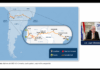
The first day of the meeting was also characterized by the discussion of topics related to logistics, port automation, the bi-oceanic corridor, coordinated border management and strategic trade, all with high participation from specialists and the attending public, until the closing.

Aduana News foi o primeiro jornal aduaneiro da Argentina a lançar sua versão digital. Com mais de 20 anos de trajetória, suas publicações e iniciativas têm como objetivo oferecer o conhecimento mais relevante sobre temas aduaneiros, contribuindo para a promoção do comércio seguro e da facilitação do comércio na região.