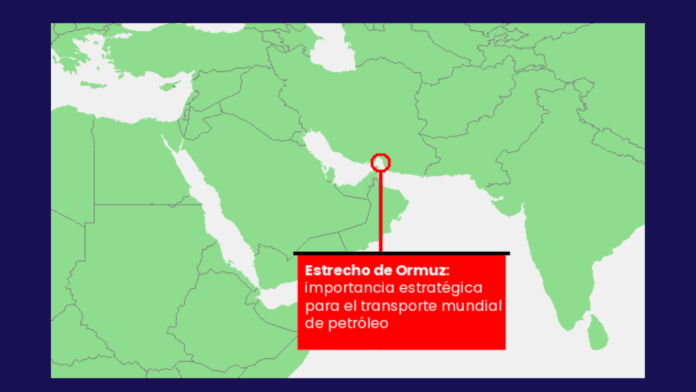
La Instability in the Strait of Hormuz severely impacts Asia, destination of 90% of the oil that crosses this strategic corridor, and threatens with a energy and supply crisis.
“The Strait of Hormuz is one of the most critical trade routes on the planet and, in recent weeks, the military escalation has caused serious disruptions to maritime traffic,” the UN warned today (March 10, 2026). UNCTAD in your report “Strait of Hormuz Disruptions – Implications for Global Trade and Development”.
Hormuz: a vital corridor for international trade
Nearby traffic passes through this narrow passage. a quarter of the world's maritime oil trade, in addition to significant volumes of liquefied natural gas and fertilizersRecent data shows:
- In 2024, oil traffic reached 20 million barrels per day (25% of world trade).
- One third of the maritime trade in fertilizers, 16 billion tonsIt passes through Hormuz, including DAP, Urea and MAP, essential for global agriculture.
In recent days, ship traffic has dropped to almost zero, with declines of up to 97% Since the end of February. “Any disruption could affect food production in vulnerable countries,” warns UNCTAD.
Immediate impacts
- Brent crude surpassed US$90 per barrel and natural gas prices increased 74% in recent days.
- Freight rates, war risk insurance premiums, and marine fuel are skyrocketing, making supply chains more expensive.
- Developing economies are particularly vulnerable, with high levels of debt and higher financing costs that limit their ability to absorb price shocks.
Lessons from previous crises, such as the COVID-19 pandemic and war in ukraineThey show how disruptions in energy, transport, and agricultural inputs spread rapidly to interconnected markets, amplifying the impacts beyond the affected region.

Aduana News foi o primeiro jornal aduaneiro da Argentina a lançar sua versão digital. Com mais de 20 anos de trajetória, suas publicações e iniciativas têm como objetivo oferecer o conhecimento mais relevante sobre temas aduaneiros, contribuindo para a promoção do comércio seguro e da facilitação do comércio na região.