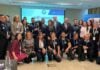

As an economist active in the field of foreign trade and acting as a customs broker, I feel compelled to express my deep admiration and appreciation for an innovative research, which originally emerged from the vision of SINDASP – Customs Brokers Union of São Paulo. This study advanced thanks to the collaboration of the SINDASP – Customs Brokers Union of São Paulo.cClose cooperation between partner organizations FEADUANEIROS – National Federation of Customs Brokers and the Faculty of Applied Sciences (FCA) of UNICAMP – setting an unprecedented milestone in the Brazilian scenario. This work reflects a significant advance in the understanding and appreciation of the role of the customs broker in Brazil's foreign trade.
In this study, we address a fundamental question: the market's perception of the value added by customs brokers. This inquiry is of utmost importance, highlighting the need for recognition of professional value in a constantly evolving market, such as foreign trade. As a great teacher with whom I had the opportunity to study at FGV used to say, "what is not measured is not managed." This maxim highlights the importance of a solid methodological approach, which allows for a quantitative and qualitative analysis of the impact of customs brokers on foreign trade.
The methodology adopted in this study, which integrates qualitative and quantitative analysis, was carefully selected to capture the complexity of perceptions and attitudes in the sector. This holistic approach is vital to understand not only the concrete impacts of the changes that have occurred in foreign trade, but also how these transformations are reshaping the professional practice of customs brokers.
The pioneering spirit of this research in Brazil is remarkable. It opens up new perspectives and understandings of the sector, contributing significantly to the development of strategies that strengthen the performance of customs brokers both nationally and internationally.
As a professional in the sector, I recognize and praise the relevance and potential impact of this study. Not only does it shed light on previously little-explored aspects of Brazilian foreign trade, but it also acts as a driver for the valorization and continuous improvement of the customs broker profession in Brazil. With respect and gratitude, I congratulate all those involved in this remarkable initiative.
Finally, I would like to strongly emphasize and encourage the active participation of importers, exporters, tradings and other foreign trade actors in this research. The contribution of each of these groups is crucial to enrich the results and ensure that the study reflects the complex reality of this sector, vital to the national economy. The participation of all the stakeholders is essential to the success and applicability of the insights generated by this highly important research.
Ready to answer the survey? https://docs.google.com/forms/d/e/1FAIpQLSdxw9augPf2mxNzC2xOjl-6w-lxcY6Lgedc-tRTtZOpLL5NMw/viewform

Customs Broker, with a degree in Economics and a Master in Business Administration in Business Management from Fundação Getulio Vargas (FGV). Co-founder of EBIMEX Comércio Exterior and Director of the Union of Customs Brokers of São Paulo (SINDASP), Brazil. He works as an Advisor on Marketing and Institutional Communication at the International Association of Professional Customs Agents (ASAPRA) and is a member of the Brazilian Chamber of Pharmaceutical Products (CBFARMA) of the CNC. He holds certifications in Artificial Intelligence from the OAS (Organization of American States) and in Marketing and Communication from the International Business Management Institute (IBMI), Germany.