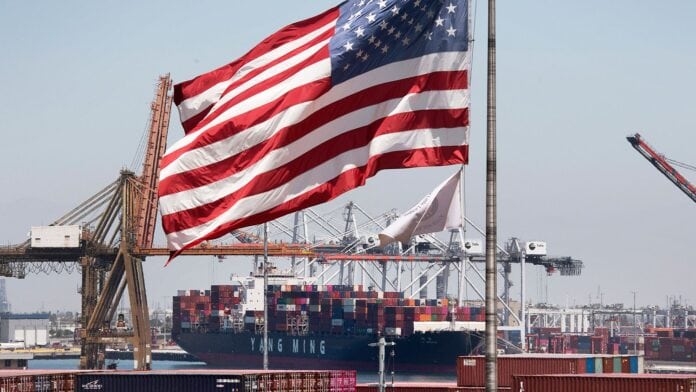
The United States Customs and Border Protection (CBP) increased its collection of tariffs in 73% to nearly $72 billion in fiscal year 2019, largely due to US President Donald Trump's tariffs on steel, aluminum and imports from China, the agency said on Thursday (30.01.2020).
CBP, the federal government's second-largest source of revenue, processed $2.7 billion in imports during the fiscal year that ended Sept. 30, according to the annual report.
The fiscal 2019 growth is attributed to tariffs on steel, aluminum, washing machines, washing machine parts, solar panels and products from China. The report covers a period that saw Trump increase to $370 billion the amount of Chinese goods facing tariffs under Sections 201 and 301 of the Trade Act of 1974 and Section 232 of the Trade Expansion Act of 1962.
The agency also processed 410 million travelers in fiscal year 2019, which includes more than 135.7 million travelers at airports, an increase of 3.8% over the previous year, it noted.
The passenger volumes increased by an average of 5% annually over the past six years at the country's 25 largest international airports, but new technologies and innovative research programs have helped the reduction of waiting times by a total of 17.8% during the same period.
CBP said the new technologies, such as non-intrusive inspection (NII), had made inspecting exports much faster, saving the government about $1 billion each year, compared to more time-consuming physical inspections, CBP said.
In addition to collecting tariffs on goods, CBP also began enforcing 33 new anti-dumping/countervailing duty orders while recovering more than $121 million in unpaid tariffs, an annual increase of nearly 86%, CBP said.
The agency, which is also responsible for identifying and containing biological threats for American agriculture and consumers, said it intercepted more than 56,000 harmful pests and more than 1.75 million prohibited plant materials, meats and animal by-products last year.
CBP said it also stepped up its efforts to take crackdown on goods produced or extracted using forced labour, targeting shipments of certain seafood, clothing, rubber balloons, gold mined in eastern Democratic Republic of Congo and rough diamonds from Zimbabwe.
CBP processed $2.7 trillion of imports and more than 410 million travelers in FY19.
Read the CBP Trade and Travel FY19 Report: https://t.co/jJ40H7eWKY pic.twitter.com/aDMrVjbdeW
- CBP (@CBP) January 31, 2020

Aduana News foi o primeiro jornal aduaneiro da Argentina a lançar sua versão digital. Com mais de 20 anos de trajetória, suas publicações e iniciativas têm como objetivo oferecer o conhecimento mais relevante sobre temas aduaneiros, contribuindo para a promoção do comércio seguro e da facilitação do comércio na região.