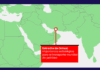
The National Government announced on Tuesday (12.2.2019) that Kenya accepted the certificate for the export of Argentine equine embryos. To this end, the African country recognized the insemination centers approved by the National Service for Food Safety and Quality (Senasa).
Negotiations were initiated in response to a request from the private sector in June 2018. After several exchanges of health information, the Kenyan authorities accepted the certificate proposed by Senasa.
The Secretary of Government for Agroindustry of the Nation, Luis Miguel Etchevehere, highlighted "the importance of opening new markets in a world that increasingly demands quality products, because it confirms the role of our country as a reliable provider of both food and knowledge, innovation and agroindustrial development."
The entry of equine embryos into Kenya follows the previous sanitary approval of equine and bovine semen that was achieved a few months ago, expanding the technical exchange of our country through the export of genetics to the African continent.
For ten years, Argentina has maintained a trade surplus in its relationship with Kenya, supported mainly by agro-industrial shipments that account for 98,82% of shipments.
Trade with Kenya
The country exported 426.320 tons of agricultural products for a total amount of US$ 83 million to that destination, where wheat accounted for 90% of shipments, while the remaining 10% was distributed among peanuts, corn, wine and tea.
Kenya's importance lies in the fact that it is the fifth largest economy in sub-Saharan Africa and the largest in industrial processing. As traditional production of tea, coffee, flowers and tropical fruits falls into crisis due to recurrent drought, it must import food, and in these circumstances Argentina exports cereals.
The possibility of accessing this market with equine genetics opens up a new export profile with great potential in the future development of sectoral exchange.

Aduana News is the first Argentine customs newspaper to launch its digital version. With 20 years of experience, its publications and initiatives aim to provide the most relevant knowledge on customs issues in order to contribute to safe trade in the region.