





To judge correctly requires, first and foremost, understanding. And understanding customs disputes means, at some point, stepping outside the case files and closely observing what happens in the ports, airports, and customs facilities where goods enter, leave, and, not infrequently, are held up awaiting an administrative decision.
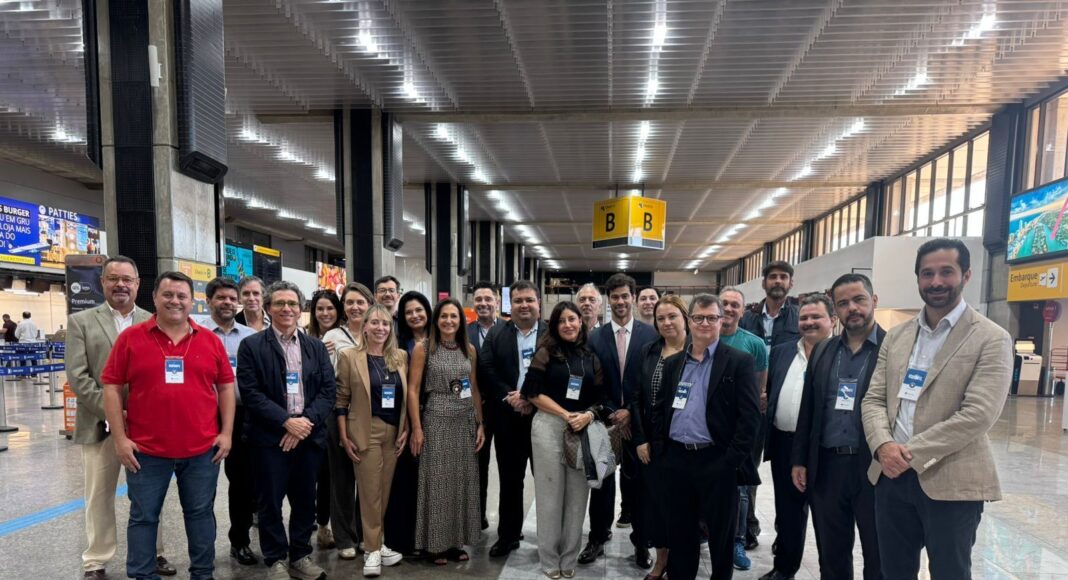
With this in mind, the Customs Chambers of the Administrative Council of Fiscal Appeals (CARF) conducted technical visits to São Paulo International Airport in Guarulhos and the Port of Santos on May 6 and 7, 2026. This initiative, part of CARF's training project, provided a hands-on experience with the operations that frequently give rise to cases reaching the administrative court.
This article summarizes the main impressions of the visit, with special attention to two elements that particularly caught our eye: the Anjun Express e-commerce terminal at the airport and the remote physical inspection system implemented at the Port of Santos.
São Paulo Airport in Guarulhos
🟦Beyond baggage: the customs dimension of the GRU
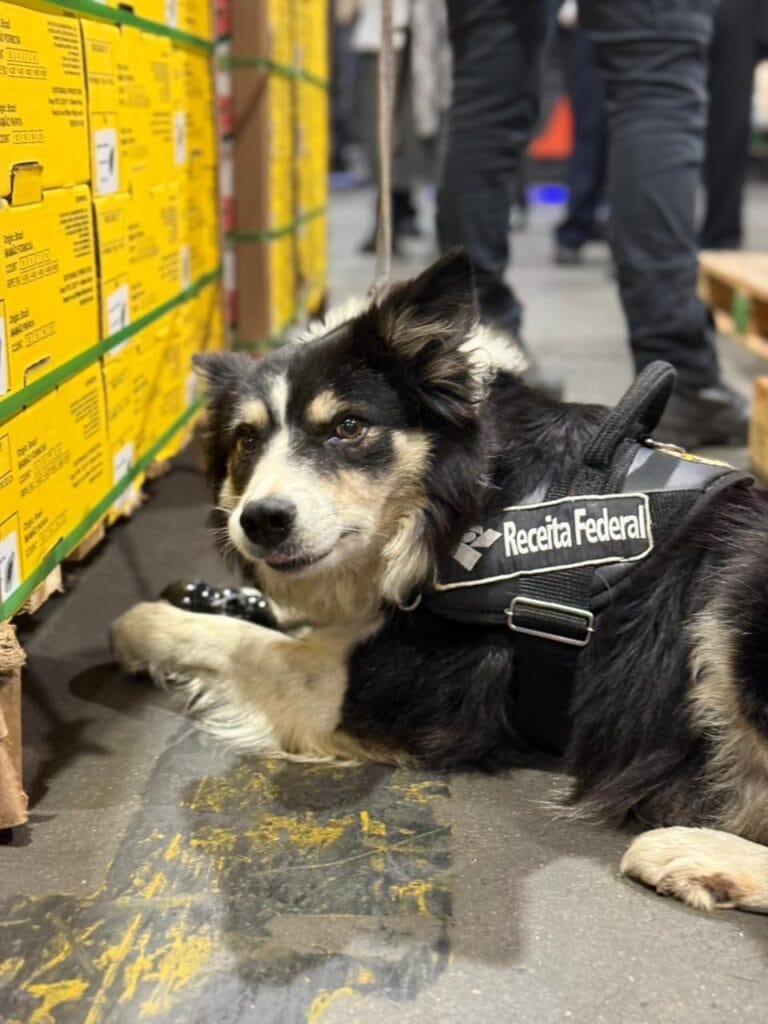
For most passengers, São Paulo International Airport (GRU) is merely a departure or arrival point. For customs, however, it is one of the largest border control points in the Southern Hemisphere. The advisors visited areas rarely accessible to the public: the restricted area of the baggage claim in Terminal 3, the Express Shipping Terminal, and the export-oriented cargo terminal.
Each of these areas corresponds to a distinct regulatory framework: the rules governing accompanied and unaccompanied baggage, legislation on postal and express shipments, and export clearance procedures. It is at the intersection of these regulations that many of the violation notices that, years later, reach the CARF (Argentine Federal Tax Court) originate.
🟦The Anjun Terminal: e-commerce on an industrial scale
The highlight of the airport visit was undoubtedly the terminal operated by Anjun Express, a Sino-Brazilian logistics company specializing in cross-border e-commerce solutions. The operation combines collection in China, air freight to GRU, customs clearance at the airport, and last-mile delivery in Brazil, in a vertically integrated flow.
What's impressive isn't just the volume, but the logistical engineering behind it. The new 25.000 m² warehouse opened this year at GRU Airport reveals the level of sophistication achieved by cross-border e-commerce: automated conveyor belts receive shipments from China, sort them by destination, and feed the customs clearance process with almost surgical precision. Every package is a potential import shipment.
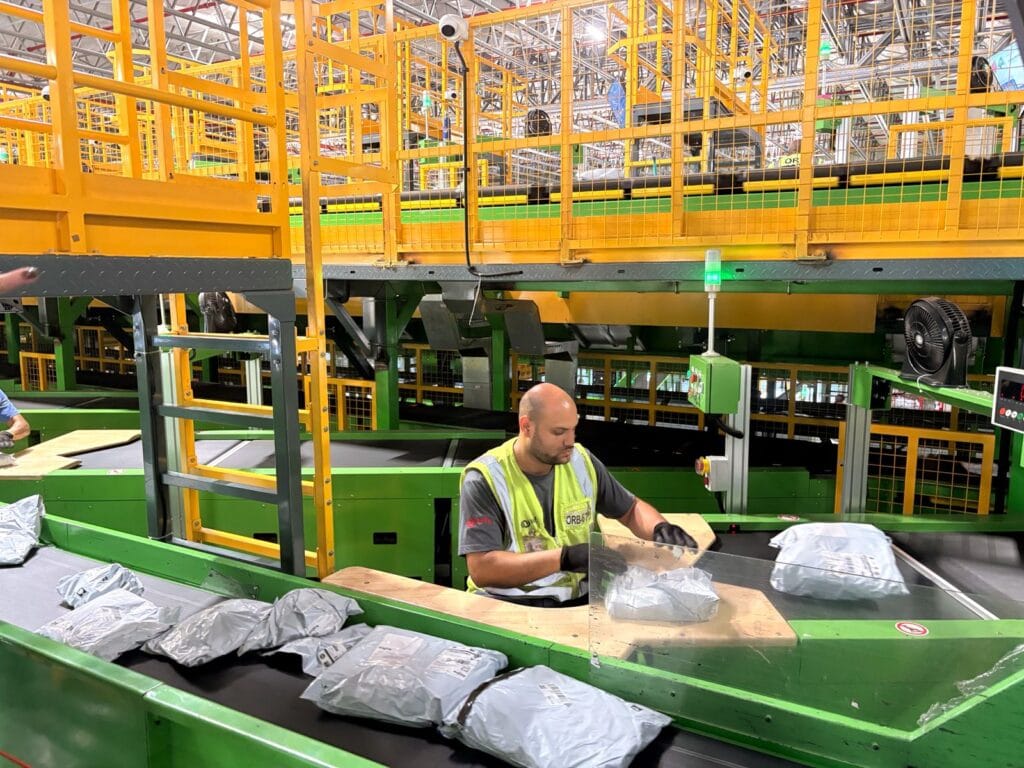
The visit highlighted key issues in modern customs litigation. How is an item arriving individually packaged from Shenzhen classified for tax purposes? What tax treatment applies: the Remessa Conforme regime, the exemption limits, or the general import regime? What role does the sender's declaration play in establishing the evidence? These are questions that CARF advisors answer daily in case files, but here they took on a concrete form, with faces and conveyor belts.
Cross-border e-commerce represents one of the greatest challenges for customs administrations worldwide today. The World Customs Organization (WCO) has published specific guidelines for handling low-value shipments, and Brazil has been implementing the Remessa Conforme program since 2023. Seeing this structure in operation in real time reinforces the perception that CARF's decisions in this area directly impact public policy design and the sector's competitiveness.
The Port of Santos: Technology and control in the largest port in Latin America
🟦The giant that moves Brazil
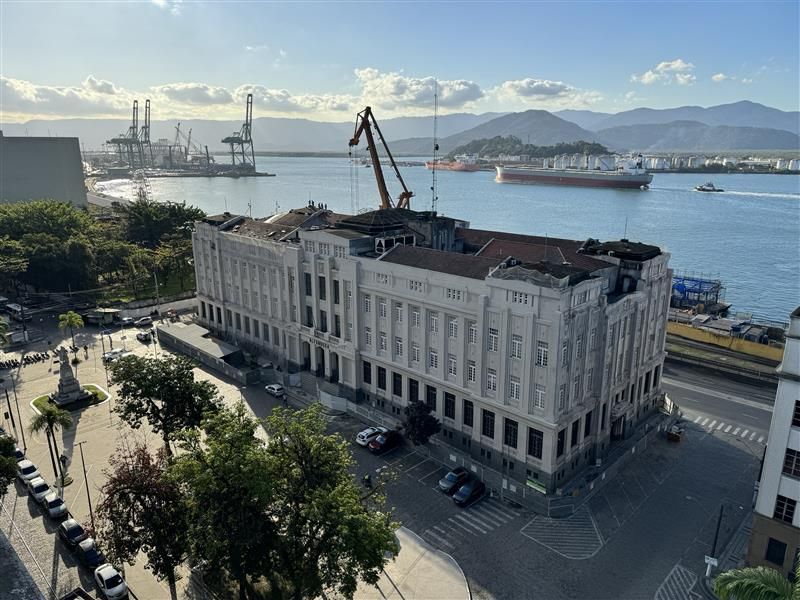
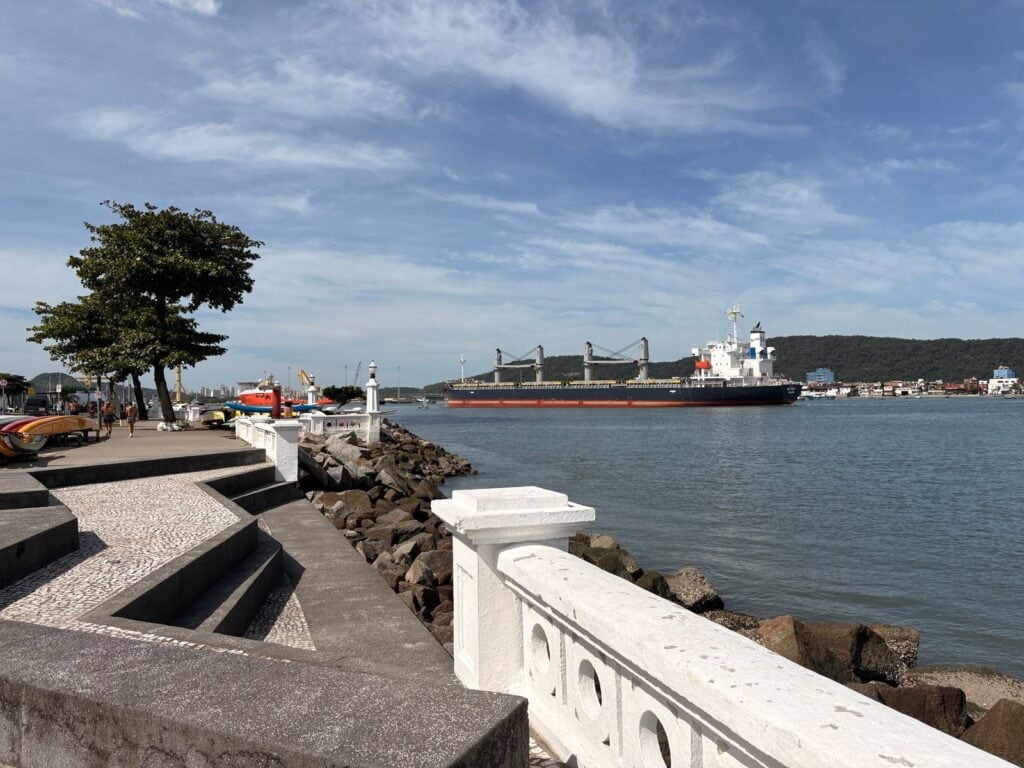
The Port of Santos handles approximately 30% of all Brazilian foreign trade. More than 130 million tons per year pass through its specialized terminals handling bulk cargo, containers, vehicles, agricultural products, and general cargo. For customs, every container entering or leaving the port is subject to inspection, and the sheer volume makes systematic manual inspection impractical.
The visit toured the operational customs area and included a stop at the Customs Museum, a space that preserves the history of Brazilian customs since imperial times. Seeing 19th-century weighing instruments alongside 21st-century X-ray systems is a reminder of the continuity of the institution's mission: to verify, control, and facilitate.
🟦Remote Physical Inspection: The Red Channel Seen from a Distance
The most impactful technological element of the visit to the Port of Santos, with regard to customs disputes, was the Remote Physical Conference, also known as the Confere system. When merchandise is flagged for inspection, requiring physical verification, the Federal Revenue Service official no longer needs to physically travel to the terminal where the cargo is stored. The camera system transmits real-time images with two-way audio, allowing the auditor to conduct the verification from their office.
The implications for litigation are immediate. Physical verification reports, seizure orders, and findings regarding the condition, quantity, and characteristics of the goods: all these documents that form the basis of the infraction proceedings are now produced in a technology-mediated environment. The chain of custody of images, the integrity of digital records, and the authenticity of screenshots become relevant issues for both defense and prosecution.
The prosecutor gains productivity and reach; the importer and customs broker gain speed in cargo release; the customs administration expands its capacity to detect illicit activities without proportionally increasing its staff. In a port the size of Santos, with terminals physically distant from each other, the ability to “monitor multiple terminals simultaneously” represents a qualitative leap in customs risk management.
🟦Intelligence and access control: the invisible customs
In addition to the Remote Physical Conference, the integrated platform supports access control and real-time logistics tracking. Cameras with OCR identify vehicle and container license plates, generating automatic entry and exit logs that feed into the Federal Revenue Service's systems. In cases of suspicion, it is possible to remotely verify the situation and activate a timely response, without revealing the inspection operation beforehand.
The architecture is designed with redundancy: each facility is responsible for image storage (backup and storage), which is made available to Customs in real time. In specific cases, a federal agent requests an image from ABTRA, which provides it along with the corresponding terminal. This is a shared governance model that balances the interests of the private sector and state control.
What do these visits mean for the administrative judgment?
The prevailing perception after these two days is that customs disputes are inseparable from customs operations. Every document in the file, every tax assessment, every violation report has a specific origin: an e-commerce conveyor belt at the airport, a 42-inch camera at the Santos Customs Office, a container that passed through the scanner and generated an image that the official deemed suspicious.
Understanding these mechanisms is not only culturally enriching for the judge; it is epistemologically necessary. Knowing how the Remote Physical Conference works allows for a better evaluation of the probative value of a report produced in that environment. Understanding the operation of the e-commerce terminal allows for assessing the risks of fraud in the declaration of value and the verification difficulties faced by the tax administration.
The training of customs advisors doesn't only take place in training rooms. It also happens on the dock, at the cargo terminal, and in the COV monitoring room. CARF took an important step by incorporating this practical dimension into its institutional qualification project.
Conclusion: Seeing is judging better
Brazil has the largest port in Latin America and one of the largest cargo airports in the Southern Hemisphere. Customs operations in these environments face challenges of scale, speed, and complexity that no manual can fully replicate. Observing these operations closely and understanding their logic and limitations is an essential step for administrative judges to perform their duties with the necessary depth.
Technology is advancing. Cross-border e-commerce is growing. Monitoring systems are becoming more sophisticated. Customs disputes are keeping pace. It is up to CARF to keep up.

References and Sources
CARF. CARF Customs Tours visit the main logistics centers of the country. Published in
05/12/2026. Available at: https://www.gov.br/carf/pt-br/assuntos/noticias/2026.
ABTRA / ConsulData. COV – Central de Operações e Vigilância: O Porto de Santos. Inauguration
19 / 11 / 2013.
Brazilian Federal Revenue. Portarias RFB 228, 229 and 230, dated 09/06/2012. Security Model,
Control and Port Surveillance in Porto de Santos.
Digifort. Integrated Video Monitoring Systems for Alfandegado Campuses. Saints: Digifort,
2013-2026.
Anjun Express. Logistics Solutions for E-commerce Cross-Border Brazil-China. GRU Airport
Terminal, 2026.
World Customs Organization (WCO). Guidelines on Low Value Shipments: Cross-border E-
Commerce. Brussels: WCO, 2023.
Brazilian Federal Revenue. Compliant Remittance Program. Normative Instruction RFB 2.141/2023 and
alterations.

The author is a CARF (Administrative Council of Fiscal Resources) Advisor, Doctor in International Trade Law, Professor, WCO Specialist and former Technical Officer, as well as former Tax and Customs Attaché.