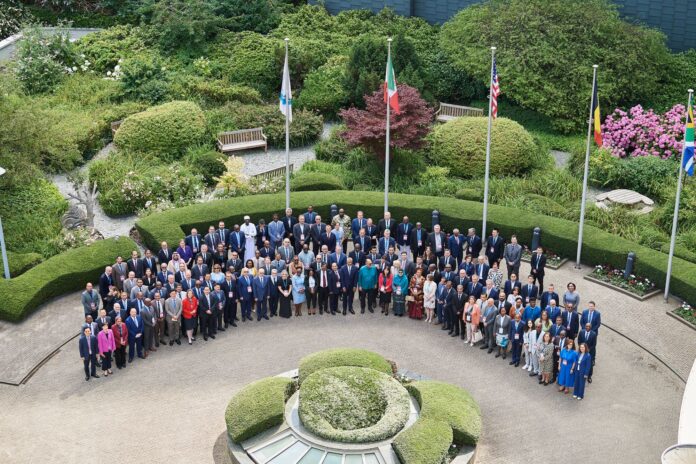
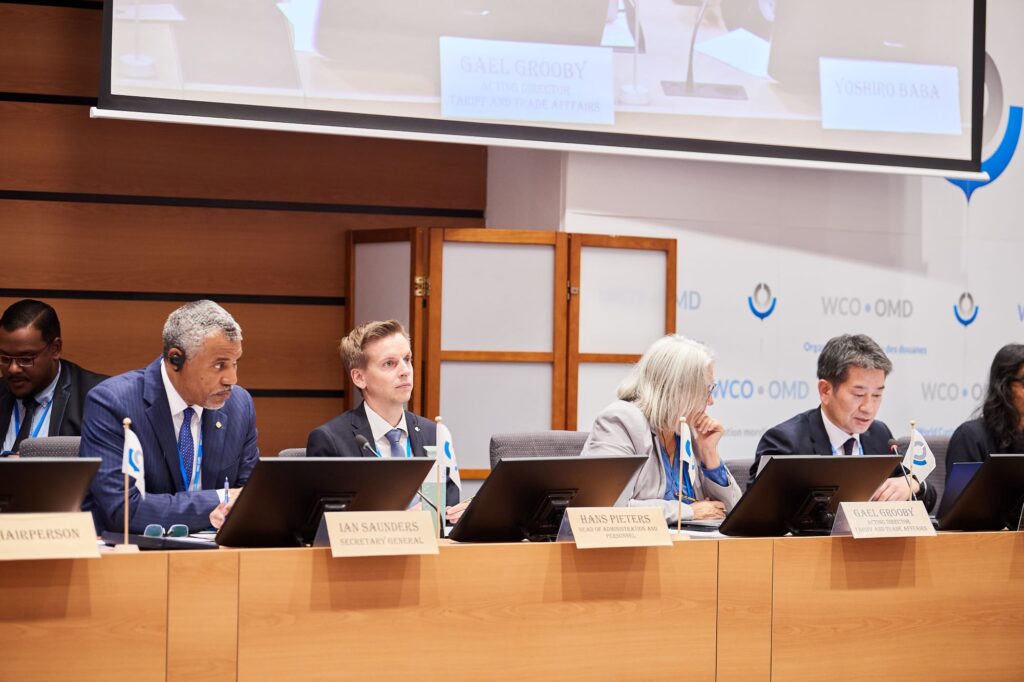
The World Customs Organization (WCO) successfully held the 143rd and 144th Sessions of its Council (the highest decision-making body) at the organization's headquarters in Brussels (Kingdom of Belgium), from 27 to 29 June 2024. The event, chaired by Mr. Edward Kieswetter, Commissioner of the South African Revenue Service (SARS), was attended by the Directors General of Customs from the 186 member countries, who reviewed progress on the organization's 2022-2025 Strategic Plan and outlined the way forward.
Strategic Review and Technical Advances
During the sessions, Council members assessed the achievements of the past year in key areas such as trade facilitation, revenue collection, protection of society (customs control) and organisational development. Progress in technology and innovation, Green Customs and governance were highlighted.
The Council took note of significant developments, including the Scoping Study on a Possible Strategic Review of the Harmonized System (HS) and the HS Browse and Check app (readers are encouraged to freely download and use it from the Google Play platform).
In addition, action plans such as the Fragile Borders Action Plan and the results of joint operations on society protection, the SAFE Framework of Standards and cross-border e-commerce were reviewed. Issues of facilitation and control of travellers, the Gender Equality and Diversity Work Plan, the Data Strategy and the Green Customs action plan were also discussed.
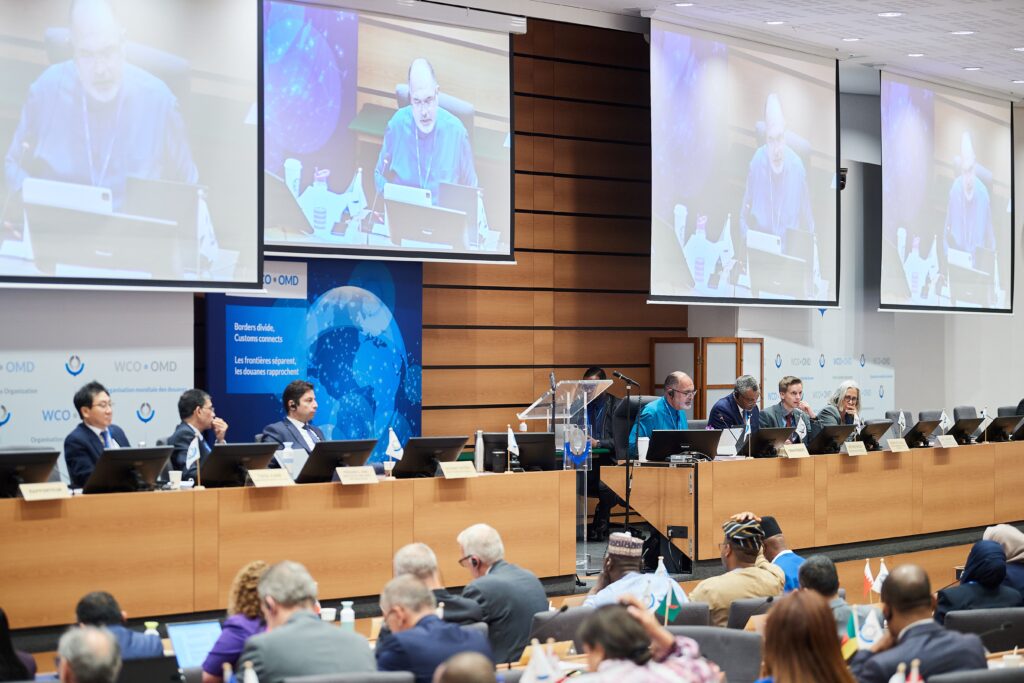
Exploratory Study of SA and Expansion of the Contact Committee
The Scoping Study of the SA identified thirty-five findings, with positive recommendations on 15 proposals and references for another six proposals. The study noted the need to improve the effectiveness and clarity of the SA (providing greater conceptual precision through definitions that reduce ambiguity and vagueness of language), considering its impact on global trade.
The Council endorsed the expansion of the WCO/IATA/ICAO Contact Committee on Advance Passenger Information (API) and Passenger Record Data (PNR) to cover all modes of transport, and approved the Terms of Reference of the reconstituted Contact Committee, now renamed the Contact Committee on API and Booking and Reservation Data (BRI)/PNR.
Strengthening Customs-Industrial Resilience
In a Resolution on strengthening customs-industry resilience, the Council invited WCO members to assess and monitor the effectiveness of resilience measures on an ongoing basis and to enhance the use of paperless trade through digitalisation. This resolution comes in a context where collaboration between customs and industry is vital to address challenges such as global pandemics, supply chain disruptions and cyber threats.
Planning and Modernization
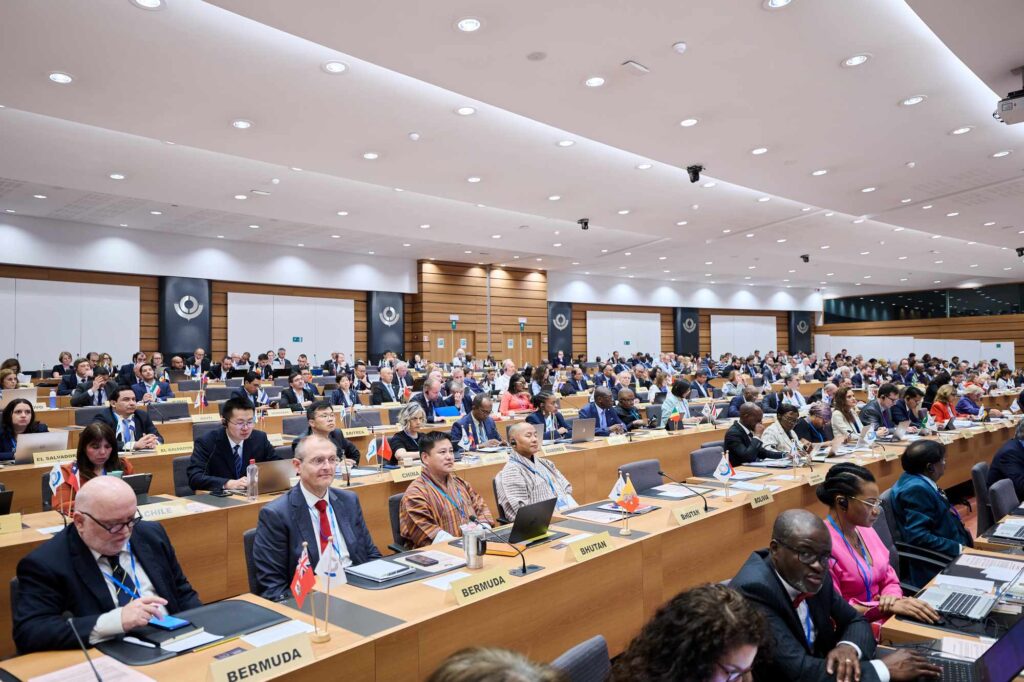
The 2024-2025 Implementation Plan, which will guide the work of the WCO during the next fiscal year, was approved. The 2024 Environmental Scan, which will inform the 2025-2028 Strategic Plan, was also endorsed, along with proposals to modernise the WCO. This scan will provide a comprehensive overview of the environment in which Customs operate, highlighting emerging trends and future opportunities. Foresight studies are an essential tool of the WCO to chart and define the future course of Customs.
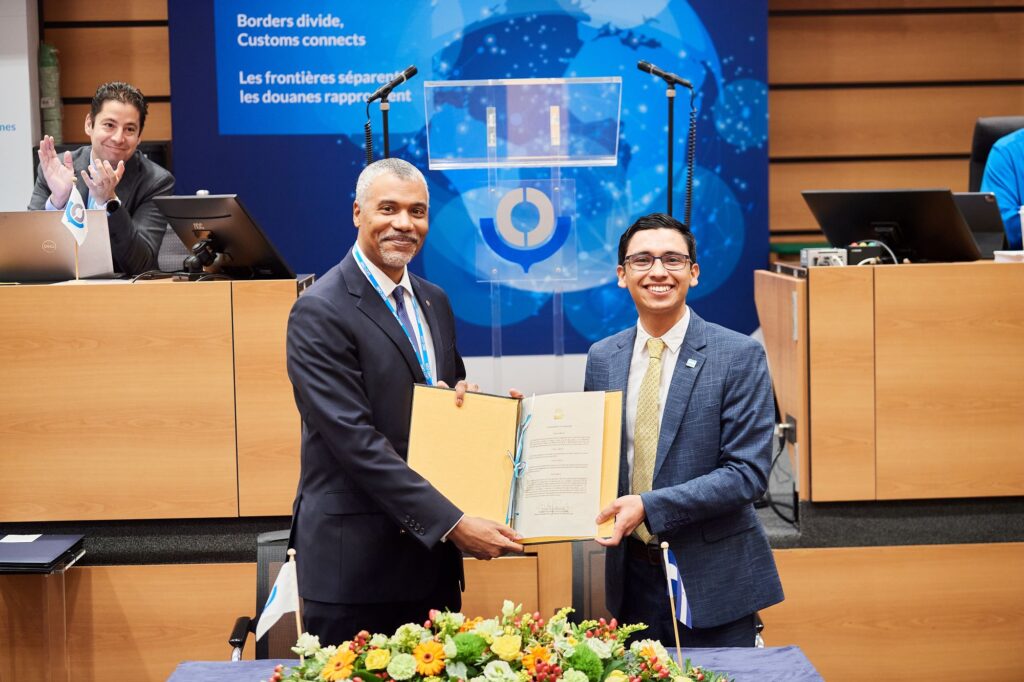
During the sessions, the Directors General of Customs re-elected Mr. Edward Kieswetter as President of the WCO Council, and new regional Vice-Presidents were appointed. Honduras deposited its instrument of accession to the International Convention on the Simplification and Harmonization of Customs Procedures (Revised Kyoto Convention – RKC), thus becoming the 137th Contracting Party to the Convention.
New Regional Training Centers
The Council witnessed the signing of two Memoranda of Understanding for the establishment of Regional Training Centres in India and Cambodia. These centres will play a crucial role in training and building customs capacities in their respective regions.
Commentary by WCO Secretary General Ian Saunders
Ian Saunders, Secretary-General of the WCO, highlighted the importance of these developments on his social media. He highlighted the collaborative efforts and commitment of members to address global challenges through innovative and sustainable solutions, underlining the need for greater international cooperation and the implementation of best practices in the customs field. Saunders emphasized the relevance of initiatives such as the Green Customs Action Plan, which promotes environmental sustainability within customs operations.
Focus on Green Customs
The Green Customs Action Plan (GCAP) received broad support and was recognised for its importance in placing customs at the centre of environmental policies. Updates were provided on the implementation of the GCAP, including collaborations with regulatory agencies and the integration of environmentally significant products into the Harmonised System. The WCO has intensified its cooperation with the World Trade Organisation (WTO) and UN agencies to identify products associated with plastic pollution and the sustainable production of plastics.
Green Customs refers to measures that Customs administrations can take or develop to reduce their own environmental footprint (“be”), protect the environment and facilitate green trade (“do”) and test transformative ideas towards sustainability excellence (“innovate”), and in doing so drive progress on the United Nations Sustainable Development Goals.
Challenges and Future
Challenges presented during the sessions included the need to improve the structure of the Green Customs Action Plan to provide more specific actions and information links. In addition, the importance of joint initiatives such as Operation Demeter to tackle environmental crimes without creating green barriers to global trade was highlighted.
The WCO Secretary-General stressed that WCO modernisation initiatives, including the development of a new portal for customs statistics and a feasibility study for a global customs data exchange platform, are moving forward despite financial and resource challenges. Collaboration and information sharing among members are essential to the success of these initiatives.
Conclusions
The 143rd/144th Sessions of the WCO Council have been a resounding success, marking significant progress in several areas critical to the future of customs globally. With a renewed focus on technology, innovation and sustainability, the WCO continues to lead the way towards greater efficiency and security in international trade. The outcomes of these sessions reflect the ongoing commitment of the WCO and its members to adapt and respond to the challenges of the ever-changing global trading environment.

We appreciate the collaboration of Dr. Hector H. Juarez Allendand in the preparation of this article and we suggest reading his book “The World Customs Organization. Past, Present and Future”, which precisely develops many of the topics discussed here.
Sources:
https://www.wcoomd.org/en/media/newsroom/2024/june/outcomes-of-the-2024-wco-council-sessions.aspx

Aduana News foi o primeiro jornal aduaneiro da Argentina a lançar sua versão digital. Com mais de 20 anos de trajetória, suas publicações e iniciativas têm como objetivo oferecer o conhecimento mais relevante sobre temas aduaneiros, contribuindo para a promoção do comércio seguro e da facilitação do comércio na região.