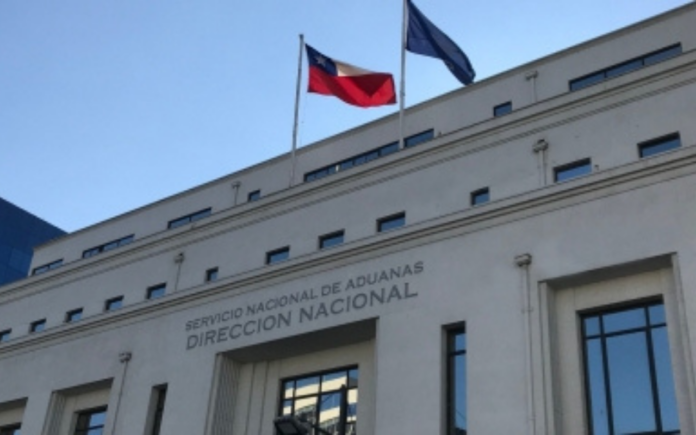
On November 8 and 9, Chile will host the 3rd World Conference on Origin of the World Customs Organization (WCO), an unprecedented international event for the National Customs Service and the country that will bring together almost 400 experts from around the world.
The Rules of Origin are a tool that has great importance and impact on the processes of global foreign trade, because they allow exporters who meet a series of requirements to access tax or tariff reductions in destination markets.
Among the advantages of this regulation is that it allows companies to compete on better terms if they prove that the product they are exporting is from Chile, positively impacting their businesses. This undoubtedly promotes the development of trade and encourages investment.
This is even more relevant when we consider that our country has 33 trade agreements in force with 65 economies. In addition, the law establishing tariff preferences for Least Developed Countries (LDCs) covers 48 countries.
But the fact that perhaps best reflects the great importance of the Rules of Origin and their application within the framework of preferential agreements is that in the case of Chile, 80% of total imports in 2022 were covered by preferential tariff treatment.
Thus, the Rules of Origin have become a key tool to support bilateral and multilateral economic development in the framework of foreign trade, which implies their correct application and use by Customs, collaborating agencies and the companies themselves.
For these reasons, discussing the future of the Rules of Origin with experts from around the world – including the Secretary General of the WCO, Kunio Mikuriya – and analyzing how these impact the development of foreign trade, places Chile and our Customs at the regional and global forefront of customs issues.

The author is the National Director of Customs of Chile