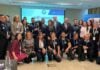
Representatives of the World Customs Organization (OMA), the World Trade Organization (WTO), the International Chamber of Commerce (ICCRepresentatives from the public and private sectors agreed this Wednesday (22.04.2026) that the Authorized Economic Operator (AEO) programs are consolidating as a key tool to improve competitiveness, reduce logistics costs and integrate small and medium-sized enterprises into international trade.
The WCO, an organization that brings together the world's customs authorities and of which Argentina and the countries of the region are members, promotes global standards to strengthen legitimate, secure, and transparent trade. In this context, it emphasized that SMEs are of particular importance within international logistics chains and should occupy a central place in trade facilitation policies.
Among these guidelines, the following stands out: WCO SAFE Framework, A set of international standards created to ensure security and, at the same time, facilitate the growing flow of goods. Authorized Economic Operator (AEO) programs are developed in various countries based on these standards.
Along those lines, and consistent with WCO standards, the webinar's central theme was clear: the AEO should no longer be seen as a scheme reserved for large multinationals, but as a concrete opportunity for SMEs to grow, export, and operate with greater predictability.
From customs control to SME competitiveness
At the openingLazzat Daniyarova, from the OMAHe highlighted that the 2025 edition of the SAFE Framework expressly incorporated micro, small and medium-sized enterprises. “We made sure that when we talk about businesses, SMEs are included.”
Thus, Onias Madikane He explained that the AEO program identifies reliable and secure companies within the international logistics chain, allowing them access to fewer inspections, faster shipments, operational priority, and greater global recognition. “AEO status is no longer exclusive to large companies,” he stated.
From WTO, Kathryn Lundquist He recalled that the Trade Facilitation Agreement, in its Article 7, establishes that the criteria for Authorized Economic Operator (AEO) programs should not exclude small businesses. In that regard, he called for more visible and accessible systems with clear benefits for the SME sector.
To its turn, Paula Baena, ICCHe warned that many SMEs don't even know that an AEO scheme is available in their countries, so he considered it crucial to strengthen its dissemination.
Specific cases and a global roadmap
One of the outstanding examples was South Africa. Rae Vivier explained that his customs He redesigned the program to facilitate the entry of small businesses without lowering standards. The result was resounding: more than 1.000 accredited operators, of which 687 are SMEs. “We lowered the obstacles, but we didn’t lower the bar,” he emphasized.
From France, Bruno Bouygues, from the GIS companyHe completed his testimony and recounted that, after obtaining the OAS certification, They managed to bring the number of blocked containers to zero. and reduce cargo delays to Africa by 80%.
With concrete data and action proposalsThe seminar concluded with the presentation of the joint WCO-WTO-ICC report on the integration of MSMEs into AEO programs, published in June 2025, which identifies challenges such as access to financing, regulatory complexity and lack of administrative capacity.
Therefore, the organizers invited everyone to pay special attention to and share this document within the community, which is considered a roadmap for incorporating more SMEs from our countries into international trade.
🟦Access the report: WCO SAFE Framework 2025
https://www.wcoomd.org/-/media/wco/public/global/pdf/topics/facilitation/instruments-and-tools/tools/safe-package/safe-framework-2025_en.pdf?la=en

Aduana News foi o primeiro jornal aduaneiro da Argentina a lançar sua versão digital. Com mais de 20 anos de trajetória, suas publicações e iniciativas têm como objetivo oferecer o conhecimento mais relevante sobre temas aduaneiros, contribuindo para a promoção do comércio seguro e da facilitação do comércio na região.