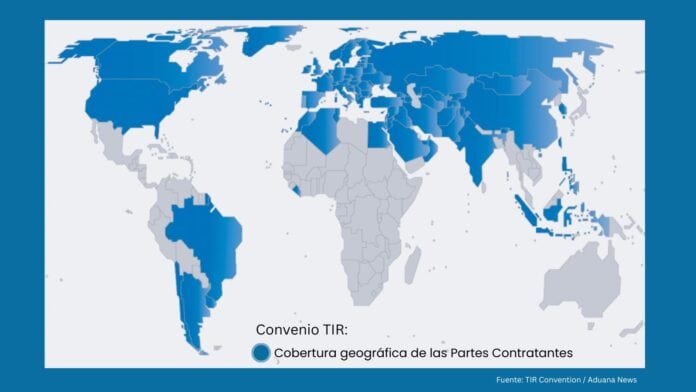
The United Nations Economic Commission for Europe (UNECE) announced on February 5, 2026, Brazil's accession to Customs Convention on the International Carriage of Goods under TIR Carnets (TIR Convention), a multilateral UN treaty adopted in November 1975 and in force since 1978, created to simplify customs procedures in the international transport of goods by road and currently also applicable to multimodal operations.
“This addition represents a fundamental step towards regional customs and trade integration in South America,” UNECE emphasized. The TIR Convention will enter into force for Brazil on July 30, 2026formalizing their participation. In this way, Brazil joins Argentina, Chile and Uruguay, becoming the 79th Party worldwide to this agreement, which allows for a reduction in cross-border transport times of up to 92% and logistics costs of up to 50%.
Bi-Oceanic Corridor: connectivity and economic opportunities
UNECE noted that this accession comes at a key moment, as Argentina, Brazil, Chile, and Paraguay work to improve conditions for efficient and safe transit along the Bi-Oceanic Route. Between logistical characteristics Among its highlights, this 2.396-kilometer road corridor connects the Pacific and Atlantic Oceans. From the ports of Antofagasta and Iquique in Chile, it crosses Paraguay and Argentina to reach the port of Santos, near São Paulo. Santos is the busiest port in Latin America, handling almost 30% of Brazil's foreign trade, which amounts to USD 629.000 billion.
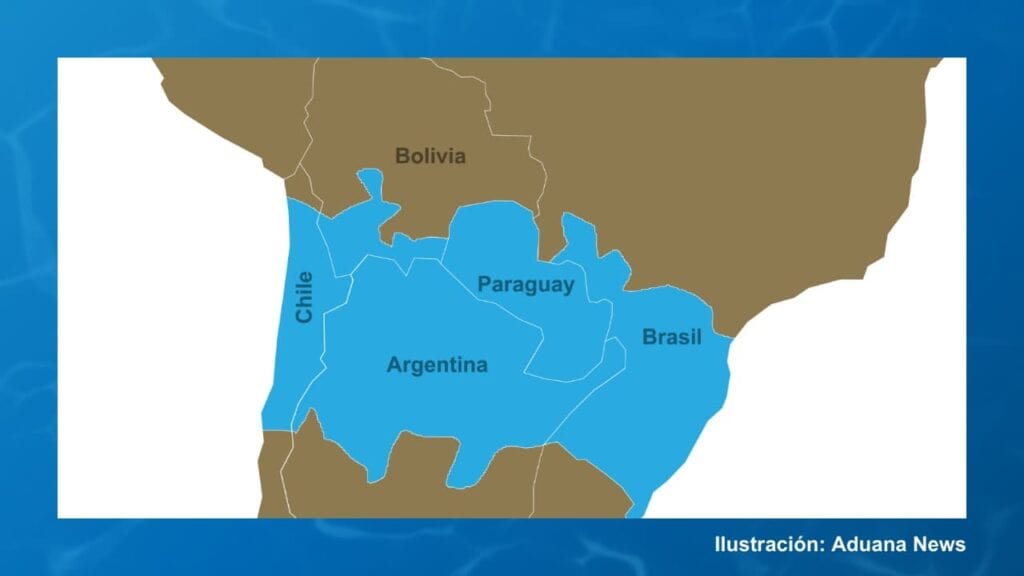
In addition to the above, there are the potential trade impacts in the region. UNECE indicated that this route could move more than 8,6 million tons of goods annually, with an economic impact exceeding USD 3.000 billion in strategic sectors such as agriculture, pulp and paper, the meat industry, and mining. The improved connectivity provided by the corridor is expected to reduce transportation costs by 30% to 40% and shorten delivery times by up to 15 days.
This addition comes weeks after the signing of the free trade agreement between the European Union and MERCOSUR, reinforcing the importance of having efficient and secure logistics corridors. In that regard, Tatiana Molcean, Executive Secretary of UNECE, he claimed:
“Brazil’s incorporation into the TIR Convention will bring multiple benefits: in addition to improving regional customs and trade integration, it will boost the overall development and international competitiveness of South American economies. The TIR is a clear example of the practical value of United Nations multilateral treaties.”
eTIR: Customs modernization and efficiency
An additional detail: The TIR Convention establishes a global system of efficient and secure customs transit for the transport of goods by road and multimodal transport (combining road, rail, sea and river transport in the same journey).
As UNECE explains, the application of eTIR electronic system —which digitizes the TIR Carnet and allows for the electronic management of the entire customs transit process— eliminates the need for physical TIR Carnets, as well as the associated logistics and paperwork, further reducing border waiting times and carbon emissions from transport. In short, it's a global collaboration for sustainable transport.
In this context, the comprehensive computerization of TIR procedures—launched in 2015—strengthens the efficiency, traceability, and competitiveness of the system. To this end, eTIR relies on the Data Model and principles of the World Customs Organization's SAFE Framework, which are designed to secure and facilitate global trade through international standards for security, risk management, and data exchange.
Thus, Brazil is making progress in implementing a key multilateral instrument of the UN: the IRR Convention.

Aduana News foi o primeiro jornal aduaneiro da Argentina a lançar sua versão digital. Com mais de 20 anos de trajetória, suas publicações e iniciativas têm como objetivo oferecer o conhecimento mais relevante sobre temas aduaneiros, contribuindo para a promoção do comércio seguro e da facilitação do comércio na região.